
Our community is blessed with many skilled healing arts professionals.
Click and explore to find
the right modality and practitioner for
your needs . . .

Acupuncture

Aromatherapy

Classical Homeopathy

Colon Hydrotherapy

CranioSacral Therapy

Crystalline Consciousness™

Feldenkrais Method®

Hot Stone Massage

Humanistic Psychotherapy

Jin Shin Jyutsu®

Integrated Awareness®

Lomilomi

Lymphatic Drainage

Massage Therapy

Osteopathy

Reflexology

Overview of Bodywork

Traditional Chinese Medicine (TCM) includes five main modalities or branches: Acupuncture, qi gong (pronounced chee gung), Chinese herbs, dietetics, and tui na (qi massage, pronounced tway nah). Qi is often described as breath, energy, or movement though, at the same time, is understood to encompass the entire spectrum of our reality, from pure energy to physical matter. Qi, in its endless manifestations, is the guiding principle in all five branches of TCM.

Acupuncture is well known for its ability to reduce acute and chronic pain, gently and safely. Internal diseases as well as emotional problems are well addressed with TCM–independent of or in conjunction with Western medical treatment.

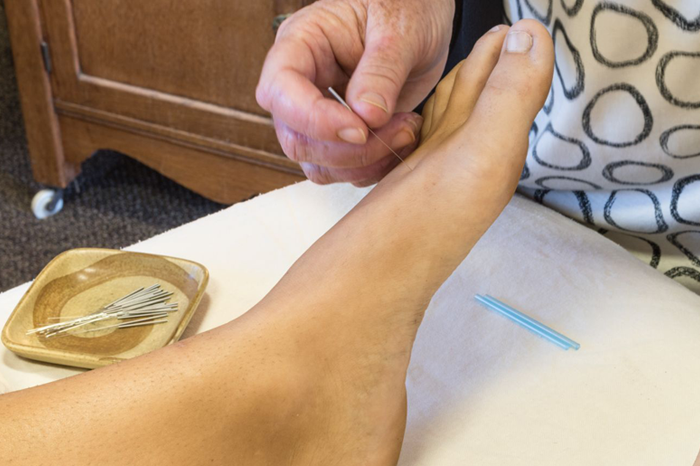
A typical acupuncture session lasts around one hour. After taking the patient’s history, the acupuncturist examines the tongue and feels the pulses on both wrists to make a diagnosis and a treatment plan. The patient then lies on a treatment table, and needles are inserted. Only sterile, disposable needles are used. Usually, the needles are left in for about twenty minutes, to allow for deep relaxation. Depending on the complaint, the patient may then receive tui na, or some other adjunct modality. Herbs may be prescribed; dietary or other recommendations may be given.

All licensed acupuncturists in the state of California have earned a Master's degree or Ph.D. in TCM; the basic 4-year post-graduate (Master's) program incorporates training in Western medicine, including pathophysiology and pharmacology.

Practitioners:

Aromatherapy is the art and science of applying pure, therapeutic-grade essential oils in various ways: by direct application, such as massage, by inhalation, by diffusion into the air, or by internal use to support the health of body, mind, emotions, and spirit.  

What Are Essential Oils?

Essential oils come from flowers, leaves, seeds, shrubs, roots, grasses, bark, resins, and trees, and are the essence or lifeblood of the plant. They are fragrant, volatile liquids made by steam distilling or pressing the fresh plant material. Their molecular size is very small, so they can quickly penetrate the tissues of the skin. Essential oils are very powerful antioxidants and have antimicrobial, antiviral, antifungal, and antiseptic properties. They support the immune system by providing oxygen and nutrients to the cells.
 
The following are a few of the many benefits of topical application of the oils, whether through massage, a compress, or a bath: relaxing the body, relieving stress, improving digestive function, relieving muscle strain and headaches, repairing and balancing the skin, and increasing circulation. (See below: benefits of the Raindrop Technique)
 
Inhalation of essential oils can affect the limbic lobe of the brain and the hypothalamus to balance and uplift our spirits, balance our hormones, increase oxygen levels, clear the mind, and improve concentration. Diffusion of essential oils can purify the air from bacteria, fungus, mold, and unpleasant odors.
   Certain essential oils can be taken internally as a dietary supplement if they are therapeutic-grade and Generally Regarded As Safe by the Department of Agriculture. 

The Raindrop Technique:

The Raindrop Technique™ is a procedure that stimulates impulses along nerve pathways and helps to rebalance all the body systems. The procedure includes the application of several anti-microbial essential oils to the spine, a series of specific massage techniques for the spinal muscles, and moist heat via a warm compress.

Benefits of the Raindrop Application:

  • Harmonizes metabolic function
  • Reduces inflammation
  • Improves circulation, immune and respiratory systems
  • Decongests the lymphatic system
  • Regenerates tissues
  • Offers structural support and alignment
  • Relieves sports injuries and chronic back pain
  • Calms and strengthens nerves
  • Relieves stress and fatigue
  • Benefits emotional and mental functioning
  • And much more!
Practitioners:

Homeopathy is based on the principle that “like cures like.”  That is, if a substance can cause symptoms of disease in a healthy person, then it can cure a sick person suffering from similar symptoms.  
 
Homeopathy regards symptoms as the body’s healthy attempt to restore itself to balance.  Homeopaths choose remedies that support the symptoms. I practice classical homeopathy, giving only one remedy at a time. 
 
Homeopathy recognizes that each person manifests illness in a unique and slightly different way, which is why two people with the same illness will not necessarily receive the same homeo-pathic remedy.  For instance, a cold sufferer with a stopped-up nose and dry eyes would receive a different remedy than a cold sufferer with a runny nose and watering eyes.  Unlike the “one size fits all” approach, a homeopath chooses from many remedies, selecting a particular remedy that matches a person’s unique symptom profile –including physical, mental, and emotional symptoms.
 
The principles of homeopathy were developed into a system of medicine by the German physician, Samuel Hahnemann (1755-1843).  Homeopathy spread quickly throughout Europe and the rest of the world, including the U.S.   The exact mechanism by which homeopathy works is unknown, but 200 years of clinical experience along with research published in such medical journals as 
The Lancet, Pediatrics, and the British Medical Journal, have confirmed homeopathy’s effectiveness.

Practitioners:

Colon hydrotherapy is the slow, gentle administration of water into the colon to remove built-up toxic waste.
This alternative therapy cleanses the entire length of the large intestine, improving colon function, stimulating natiral peristalsis and improving moscular tone without the use of drugs.
It has been used to treat many health issues, including : fatigue, irritability, depression, lack of concentration, protruding abdomen, lower back paine, insomnia, anxiety, headache.

Practitioners:

Craniosacral Therapy (CST) is a gentle yet profound hands-on whole body therapy that addresses connective tissue throughout the body. It is designed to relieve physical and energetic restrictions and awaken the body to its own innate healing processes. It is an effective way to address both recent and decades-old trauma to any place in the body, with special attention to the brain and spinal cord. Results of this work tend to be long lasting.

A central theme in many Craniosacral Therapy sessions is the enhancement of the flow of cerebral spinal fluid through the brain and spinal cord, thus nourishing and cleansing the central nervous system. Cranial Rhythmic Impulse (CRI) or Craniosacral Rhythm (CSR) is a rhythm that pulses through the craniosacral system, just as the heart has its beat and the lungs have their breath. By listening to the client’s CRI and gently palpating the body, especially the bones of the skull, a therapist helps relieve areas of restriction and free the fluid to move into areas that were previously inhibited.

A session is very calming and particularly useful for treating birth trauma (for both mother and infant), traumas from accidents, migraine cluster headaches, dizziness, sinus problems, and brain and spinal cord injuries. Additional benefits can include improved eyesight, hearing, and sense of taste and smell, not to mention the goal of diminishing pain and improving energy, function, and a sense of well-being. Craniosacral Therapy is also one of the few forms of treatment for dental pain and discomfort not resolved through dentistry, particularly TMJ disorder (dysfunction of the jaw joint).

Practitioners of CST include massage therapists, physical therapists, chiropractors, and even some medical doctors and dentists. They are trained in methods of constantly assessing and reassessing subtle information from the client/patient's body, energy system, and emotional affect, and responding to current issues in the moment gently, appropriately, and effectively.

Practitioners:

Crystalline Consciousness Technique™ (CCT) is one of the evolutionary energies currently transforming our species and planet. Guided by your intentions, Crystalline Consciousness Technique ™ works with these energies, bringing them into vibrational alignment with your heart’s desires. So, you get to surf the transformational waves instead of getting tumbled in the trough.

This is cutting-edge intention work. Depending on the focus of your intentions, CCT can take many forms: As a table session with or without other healing modalities; as a consulting session, in person or over the phone. A unique aspect of CCT is the ability to work with groups (families, businesses, communities, governments) while still honoring free will and choice.

These are a few of the endless applications of CCT: Health and well-being; relationships, personal and business, brought into their highest harmony and purpose; business, manifesting your business plan; personal/spiritual growth, attaining your next levels with grace and right timing.

Practitioners:
The Feldenkrais Method® is an innovative system that approaches human development and the improvement of functioning through the medium of physical movement. The founder, Moshe Feldenkrais, D.Sc., utilized his background in physics, mechanical engineering, and judo to develop a system with an unusual melding of biomechanics, motor development, psychology, and the martial arts.

The Feldenkrais Method has achieved international recognition for its demonstrated ability to improve posture, flexibility, coordination, and self-image, and to alleviate muscular tension and pain. It consists of two compelling and versatile applications: Awareness Through Movement (ATM) lessons, done in groups, and Functional Integration (FI) lessons, an individualized hands-on practice. Based on the same theoretical ground, both modalities harness the nervous system's ability to self-organize towards more effective and intelligent action.
Practitioners:

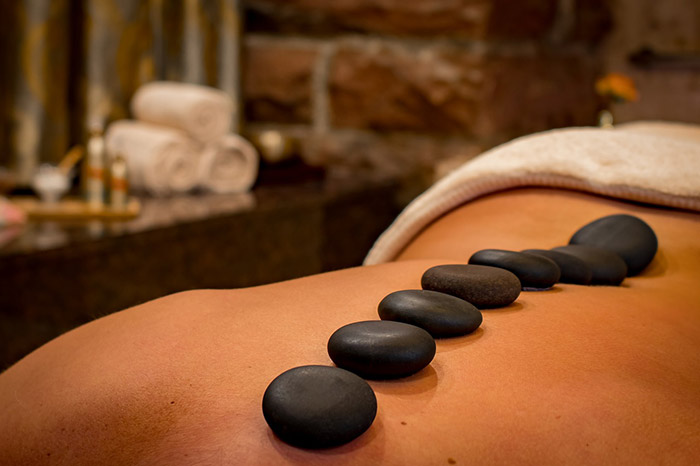
Hot Stone Massage is a variation of classic massage therapy. Heated, smooth stones are used in two ways during the massage. The stones are placed at specific sites on the client's body to promote relaxation and help open the meridians. While these stones are delivering concentrated heat, the therapist is massaging the client with oiled, heated stones.

The heated stones accelerate the healing process by relaxing muscles and increasing the flow of blood to areas being treated. This relaxation of the muscles also aids in mental relaxation.

After the hot stones have relaxed the muscles, the therapist will continue the massage by using his or her hands directly on the client's skin. The stones’ heat and the pressure will be individualized to meet the client's needs.

Practitioners:
Humanistic Psychotherapy is a psychodynamic process, using an intentional interpersonal relationship between therapist and client to increase the client’s sense of well-being. It is effective for a wide range of mental health symptoms, including depression, anxiety, panic and stress-related physical ailments, and the benefits of the therapy grow after treatment has ended. Humanistic therapy focuses on the psychological roots of emotional suffering. Its hallmarks are self-reflection and self-examination, and the use of the relationship between therapist and client as a window into problematic relationship patterns in the client’s life. Its goal is not only to alleviate obvious symptoms but to help people lead healthier lives. Humanistic Therapy is explicitly concerned with the development of an individual, with an emphasis on subjective meaning and a concern for positive growth. It posits an inherent human capacity to maximize potential, 'the self-actualizing tendency', and creates a relational environment where this tendency can flourish.
Practitioners:

Jin Shin Jyutsu® is a gentle and profoundly powerful healing art whose roots derive from ancient Eastern medicine and universal wisdom. Said to predate Buddha and Moses, it was rediscovered in the early 1900s by Master Jiro Murai in Japan. Having successfully utilized this art to recover from a "terminal" illness, Master Murai devoted himself to the study and revival of this art for future generations. His American student, Mary Iino Burmeister, brought this art to the United States. Its study and practice has spread around the world.               
Jin Shin Jyutsu unlocks our innate ability to heal ourselves by restoring balance to the various energetic pathways which circulate throughout our bodies. The pathways (or flows) feed life into all of our cells. The flows build, protect, and repair all aspects of Being. When one or more of these pathways becomes blocked, the damming effect may lead to pain or illness. When the energies of these pathways are in harmony, health of body-mind-spirit is profoundly enhanced.

Jin Shin Jyutsu helps one's immune system to work at its highest potential. Therefore, discomfort or pain in any of the body's functions is alleviated. Examples of issues that may be helped include headaches, muscle pain, injuries, digestive problems, depression, allergies, etc.

This gentle art is practiced by placing fingertips (over clothing) on designated areas of the body in various sequences to harmonize and restore correct energy flow. The client rests on a massage table while the practitioner works with flows appropriate to the client's needs.

Practitioners:

Integrated Awareness® (IA), founded by Lansing Barrett Gresham, is a process of self-healing through self-discovery. It employs various methods of conscious touch, movement, and expanded perceptual skills to facilitate physical, mental, emotional, and spiritual transformation. Teachers work with a fully clothed client on a massage table for an hour to an hour and a half. Some group classes are also taught.

IA recognizes how the physical sites and structure of our body yield reliable information about these levels of consciousness that affect our reality. Physical and social behavior patterns, old judgments, rules, and strategies which were created when we were young to protect us may no longer serve our present well-being and may be explored and updated. Bottom-line information on "how and why" is revealed, which enhances our capability for new choices and healthy change.

IA encourages our intrinsic but usually inhibited capacity to exist in a state of conscious awareness where all aspects of ourselves are in alignment and support of each other. It is possible to feel at home in our body and in the world.

Practitioners:

Lomilomi means “the loving touch,” a connection between heart, hand, and soul with the source of all life. It is an ancient Hawaiian concept of working the MANA, life force, of the body, mind, and soul of an individual.

To obtain the level of immediate and long-term healing necessary, the practitioner uses a multitude of massage techniques resembling Swedish and Esalen massage, Rolfing, Polarity Therapy, Acupressure, Hot Stones, Medicinal Herbs & Aromatherapy, and Laying on of Hands accompanied by an Action of Mind.

The purpose is to revive the body, to move blood and lymph, to open spasms and remove waste materials from muscles and connective tissue, and to communicate deep into the bones. It is at this level that all memory is stored from past traumas, injuries, or emotional links. It restores the body’s vigor, improves the nutrition of tissues, heightens metabolism, and relieves pain.

Practitioners:

The main actions of Lymphatic Drainage are to stimulate the circulation of the lymphatic flow and indirectly the blood, the immune system, and the autonomic nervous system, which has a tremendous impact on health.

The lymphatic circulation is a slow rhythm, low-velocity, and low-pressure system. The lymphatic system cleanses tissue on a regular basis and removes waste and cells in acute conditions, such as injury or necrosis. It absorbs excess fluid, proteins, electrolytes, toxins, and foreign substances.

Lymphatic Drainage can ease the recovery from surgery and enhance overall health. For clients facing surgery, lymphatic drainage offers myriad benefits. For optimal results, it is recommended that lymphatic drainage be applied for one or two sessions prior to surgery. Post-surgical lymphatic drainage can be applied as soon as 24 hours after surgery with the approval of the surgeon. It significantly gives relief from edema, swelling that can cause pain, promote infection, and distort features. It also improves the scarring process.

Massage is a perfect way to nurture yourself and bring more balance and ease into your life. Among the oldest healing arts, it has been shown to be beneficial in the treatment of many acute and chronic conditions. Massage consists of applying various soft-tissue techniques to the body in order to reduce stress and ease tensions created by everyday living. The physical benefits of massage include improved circulation, increased range of motion, and reduction of pain and swelling. Massage also aids in the healing of strains and injuries, releases toxins, improves regulation of blood pressure, promotes more restful sleep, and strengthens immune system functioning. Massage brings integration and ease to body, mind, and spirit as it soothes and restores an over-stressed nervous system.   

There are many types and styles of massage, and often practitioners utilize multiple techniques, which may include stroking, kneading, tapping, compression, vibration, stretching, rocking, friction, and pressure to the muscular structure or soft tissue of the body. Oils and lotions may be used to reduce friction.

A few of the more popular types of massage include Swedish, Esalen, Deep Tissue, Sports, Hot Stone, Acupressure, Shiatsu, Reflexology, Trager, and LomiLomi. Please refer to individual practitioners to learn more about the type of massage they offer.

Practitioners:

Osteopathy assumes that the body is a self-healing mechanism, that it is wholly interconnected and interdependent, that form determines function, and function form. Tissue health requires an adequate and timely supply of nutrients, and the body must be optimally organized around its central line of gravity for its best health.

The osteopath’s task, taking all of this into account, is to remove the restrictions within and among systems to allow the body to heal itself. The toolbox for this work includes all of manual therapy; for instance, muscle energy techniques, strain-counterstrain, myofascial release, high velocity-low amplitude adjustment, and functional technique. These tools may be applied to any of the body’s systems: musculoskeletal, visceral, craniosacral, nervous, or fascial.

Practitioners:

Reflexology treats the body, hands, feet, and ears by applying pressure to points stimulates the body’s own healing system. A reflex action occurs in a muscle or organ when it is activated by energy from a point of stimulus on the body.

Archeological evidence in Egypt (2330 BCE), China (2704 BCE), and Japan (690 CE) points to ancient reflexology medical systems. In the West, the concept of reflexology began to emerge in the 19th century, based on research into the nervous system and reflex points.

In general terms, the benefits of reflexology have to do with the reduction of stress. Because the feet and hands help set the tension level for the rest of the body, they are an easy way to interrupt the stress signal and reset homeostasis, the body's equilibrium.

The benefits of reflexology include:

  • Relaxation
  • Pain reduction
  • Amelioration of symptoms for health concerns
  • Rejuvenation of tired feet
  • Improvement in blood flow
  • Impact on physiological measures (e. g. blood pressure and cholesterol; measurements by ECG, EEG, and fMRI)
  • Beneficial for post-operative recovery and pain reduction
  • Enhancement of medical care (e. g., phantom limb pain, and hemodialysis patients
  • Complement to cancer care (pain, nausea, vomiting, anxiety)
  • Adjunct to mental health care (e. g. depression, anxiety, post- traumatic stress disorder)
  • Easier birth delivery and post-partum recovery
Practitioners:

For a book excerpt, click on the Author:
MIRKA KNASTER

BODYWAYS (1)

An extremely practical and comprehensive resource, Discovering the Body’s Wisdom helps consumers and health care professionals become savvy about the numerous Eastern and Western body therapies or “bodyways” now available. It shows readers how to befriend their own bodies and get back in touch with their internal sources of health and wisdom.

blocks_image